What is glaucoma?
Glaucoma is a common eye condition that damages the optic nerve, which is the connection from your eye to your brain. High pressure in the eye slowly damages the optic nerve and becomes progressively worse over time. This damage can lead to vision loss and even blindness if left untreated.
Are there different types of glaucoma?
There are several types, including:
- Open-angle glaucoma: The most common type, where the angle between the iris and cornea gradually narrows over time.
- Angle-closure glaucoma: A less common type where the angle between the iris and cornea suddenly narrows, blocking the flow of fluid out of the eye.
- Normal-tension glaucoma: This occurs when the optic nerve is damaged despite normal eye pressure.
What are the symptoms?
In the early stages, there are often no noticeable symptoms, so most people are unaware of the damage that is occurring. It is estimated that over 3 million Americans have glaucoma but only half of those know they have it.
As the condition progresses, you may experience:
- Blurred or tunnel vision
- Seeing halos around lights
- Frequent headaches
- Eye pain
Are there risk factors for glaucoma?
Several factors can increase your risk of developing the condition, including:
- Age: The risk increases with age.
- Family history: Having a family member with glaucoma can increase your risk.
- Race: African Americans and Hispanics are at a higher risk.
- Eye injuries or surgeries: Past eye trauma or certain eye surgeries can increase the risk.
- Corticosteroid use: Long-term use of corticosteroids can raise eye pressure.
- Diabetes: Having diabetes can increase the risk.
While it is more common in those over 60, it can affect people of all ages, including children.
How is it diagnosed, and what are treatment options?
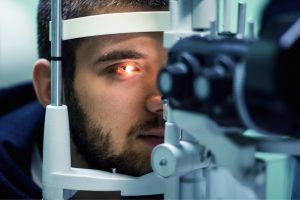
Regular eye exams are crucial for detecting glaucoma early. Your eye doctor will likely perform a comprehensive eye exam, including measuring your eye pressure and examining your optic nerve.
Treatment for glaucoma typically involves medication to lower eye pressure. In some cases, laser surgery or conventional surgery may be necessary.
At Iowa Eye Center, we have the latest treatments, including Selective Laser Trabeculoplasty (SLT), which can safely lower eye pressure without daily eye drops.
Living with glaucoma
If you have been diagnosed, it’s important to follow your doctor’s treatment plan closely. It can cause blindness if left untreated. Regular eye exams are essential for monitoring your condition and making adjustments to your treatment as needed.
By understanding the condition and seeking timely medical attention, you can help protect your vision and maintain a good quality of life.
Trust the glaucoma care experts at Iowa Eye Center
Glaucoma is a serious condition, but with early detection and proper treatment, vision loss can be prevented. Schedule regular eye exams, know your family history, and maintain a healthy lifestyle. If you have any questions or suspect you may have it, please contact us today to schedule an appointment.