Diabetes is a chronic condition that affects millions of Americans, and its impact extends beyond blood sugar levels. One of the most significant complications of diabetes is its effect on eye health, increasing the risk for several serious eye diseases. With the growing incidence of diabetes, particularly among younger populations, it’s more important than ever to prioritize routine eye care for early detection and management of these conditions.
Common eye diseases related to diabetes
People with diabetes are at increased risk for several eye diseases, including:
1. Diabetic retinopathy
Diabetic retinopathy is one of the most common and serious complications of diabetes. It occurs when high blood sugar levels damage the tiny blood vessels in the retina, leading to vision problems and, in severe cases, blindness. Early stages of diabetic retinopathy may not show any symptoms, making regular eye exams crucial for early detection and treatment.
2. Diabetic macular edema (DME)
DME is a complication of diabetic retinopathy where fluid accumulates in the macula, the part of the retina responsible for sharp vision. This swelling can cause blurry vision, and if left untreated, may result in permanent vision loss. Controlling blood sugar, blood pressure, and cholesterol levels can help reduce the risk of DME.
3. Cataracts
People with diabetes are more likely to develop cataracts at an earlier age than those without the condition. Cataracts cause the lens of the eye to become cloudy, leading to blurry vision and light sensitivity. While cataracts are treatable with surgery, early detection through routine eye care is important.
4. Glaucoma
Diabetes also increases the risk of developing glaucoma, a condition where the pressure inside the eye damages the optic nerve. If not treated, glaucoma can lead to irreversible vision loss. People with diabetes are almost twice as likely to develop glaucoma compared to those without diabetes.
Rising diabetes rates among younger populations
In recent years, the incidence of diabetes has been rising among younger individuals, including children and teenagers. Type 2 diabetes, which was once more common in adults, is increasingly being diagnosed in younger populations due to lifestyle factors such as poor diet and lack of physical activity. This alarming trend has significant implications for long-term eye health.
With more young people being diagnosed with Type 2 diabetes earlier in life, they are at greater risk of developing diabetes-related eye diseases at a younger age. The longer someone lives with diabetes, the higher their chances of developing complications, including those that affect vision.
The importance of routine eye exams
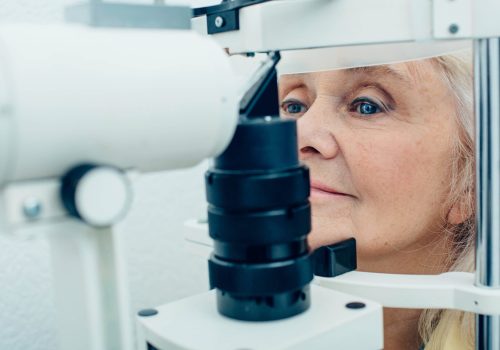
Since most diabetic eye diseases can develop without noticeable symptoms in the early stages, regular comprehensive eye exams are critical. The American Diabetes Association recommends that people with diabetes have their eyes checked yearly. If signs of diabetic eye disease are detected, your doctor may recommend more frequent exams or early treatment to help preserve your vision.
Parents of children and teens with diabetes should work with both their child’s primary care doctor and an eye doctor to ensure that vision health is closely monitored over time.
If you or a loved one has diabetes, schedule a comprehensive eye exam to protect your eyes from the complications of this serious condition. Call us today at (319) 362-3937.