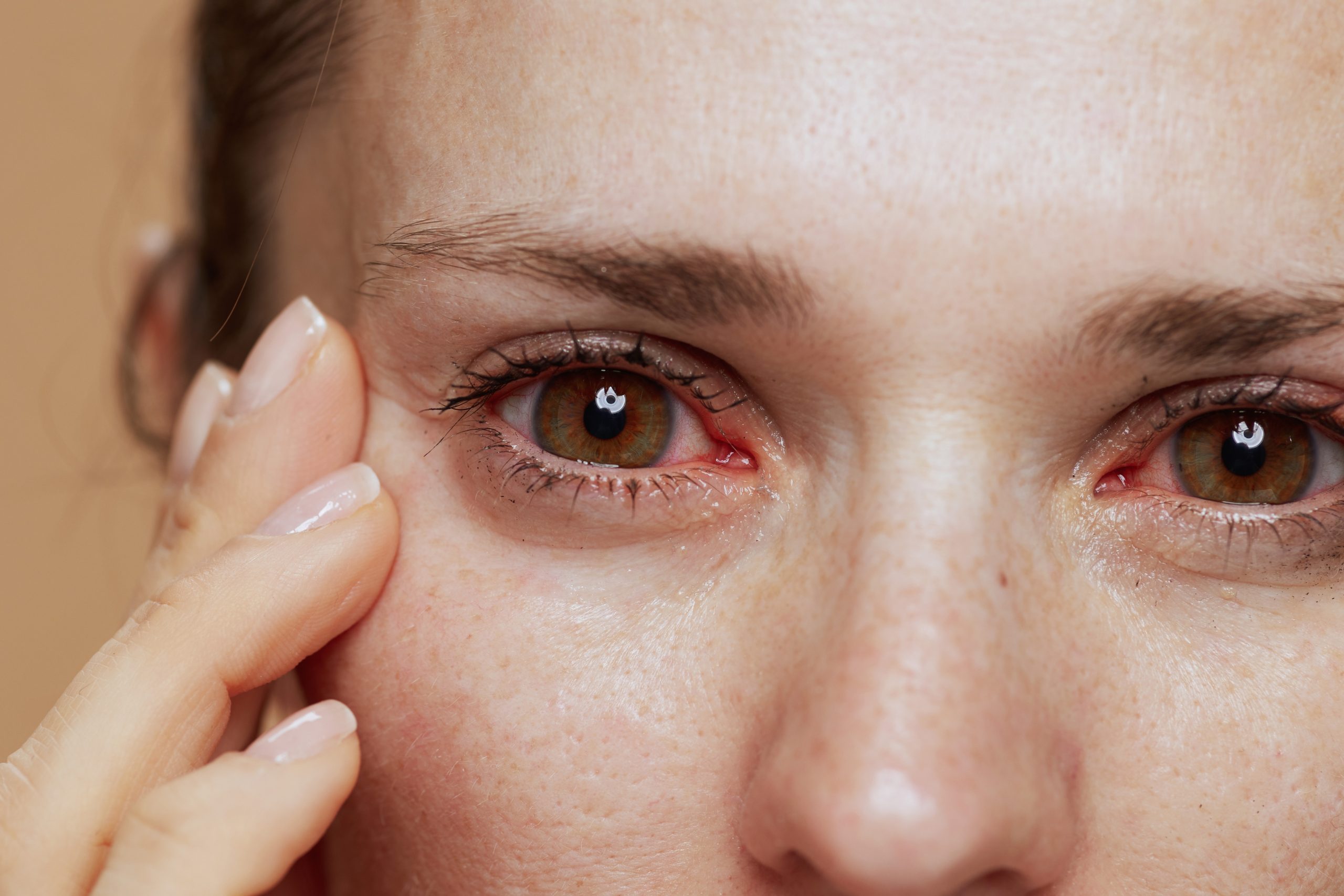
If you experience constant dryness, burning, or irritation in your eyes, it may be more than just a case of dry eye. Sjögren’s syndrome is a chronic autoimmune disorder and can have a significant impact on your eye health, often leading to severe and persistent dryness that affects your comfort and vision.
What is Sjögren’s Syndrome?
Sjögren’s syndrome occurs when your immune system mistakenly attacks your body’s moisture-producing glands, including the tear and salivary glands. This leads to dryness in the eyes and mouth, and in some cases, other areas such as the nose, throat, and skin. The condition can occur on its own and be diagnosed as primary Sjögren’s, or it can occur alongside other autoimmune diseases, such as rheumatoid arthritis or lupus, and be diagnosed as secondary Sjögren’s.
According to the Mayo Clinic, though a person can develop Sjögren’s syndrome at any age, most people are older than 40 at the time of diagnosis. The condition is much more common in women.
How Sjögren’s Syndrome affects your eyes
The most common eye-related symptom of Sjögren’s is keratoconjunctivitis sicca, or severe dry eye. Because the tear glands are compromised, your eyes may not produce enough tears to keep the surface of the eye lubricated and protected. This can lead to:
- Burning, stinging, or gritty sensations
- Redness and inflammation
- Light sensitivity
- Blurred vision
- Increased risk of eye infections or corneal damage
Left untreated, severe dryness can lead to long-term irritation and, in rare cases, vision loss due to corneal complications.
Diagnosis and testing for Sjögren’s Syndrome
If you’ve been diagnosed with Sjögren’s or are experiencing chronic dry eye symptoms, an eye exam can help determine the extent of the dryness and evaluate the health of your tear film and cornea. At Iowa Eye Center, we utilize specialized testing to evaluate tear production and eye surface health, allowing us to tailor your treatment plan.
Treatment options
While there’s no cure for Sjögren’s, several treatment options are available to help manage dry eye symptoms and protect your eye health:
- Artificial tears: Over-the-counter or prescription drops help replace lost moisture and relieve discomfort.
- Lubricating ointments: These may be used at night for longer-lasting moisture.
- Prescription medications: Anti-inflammatory eye drops can help reduce inflammation and improve tear production.
- Punctal plugs: These tiny devices are inserted into the tear ducts to prevent tear drainage and keep the eyes better lubricated.
- Moisture chamber glasses: Special eyewear that reduces evaporation and protects against environmental irritants.
- Scleral lenses: These specialty contact lenses create a fluid reservoir over the eye, providing constant hydration and protection for the cornea
- Lifestyle tips: Using a humidifier, taking breaks from screens, staying hydrated, and avoiding smoke or wind can all help minimize symptoms.
Regular eye exams are essential
If you’re living with Sjögren’s, managing eye symptoms is a crucial part of maintaining your overall quality of life. Routine care from an eye doctor can help catch potential issues early and adjust treatments as needed.
Think you may be experiencing Sjögren’s-related dry eye?
Schedule an appointment with Iowa Eye Center. Our team can help you find relief and protect your long-term eye health. Contact us today.