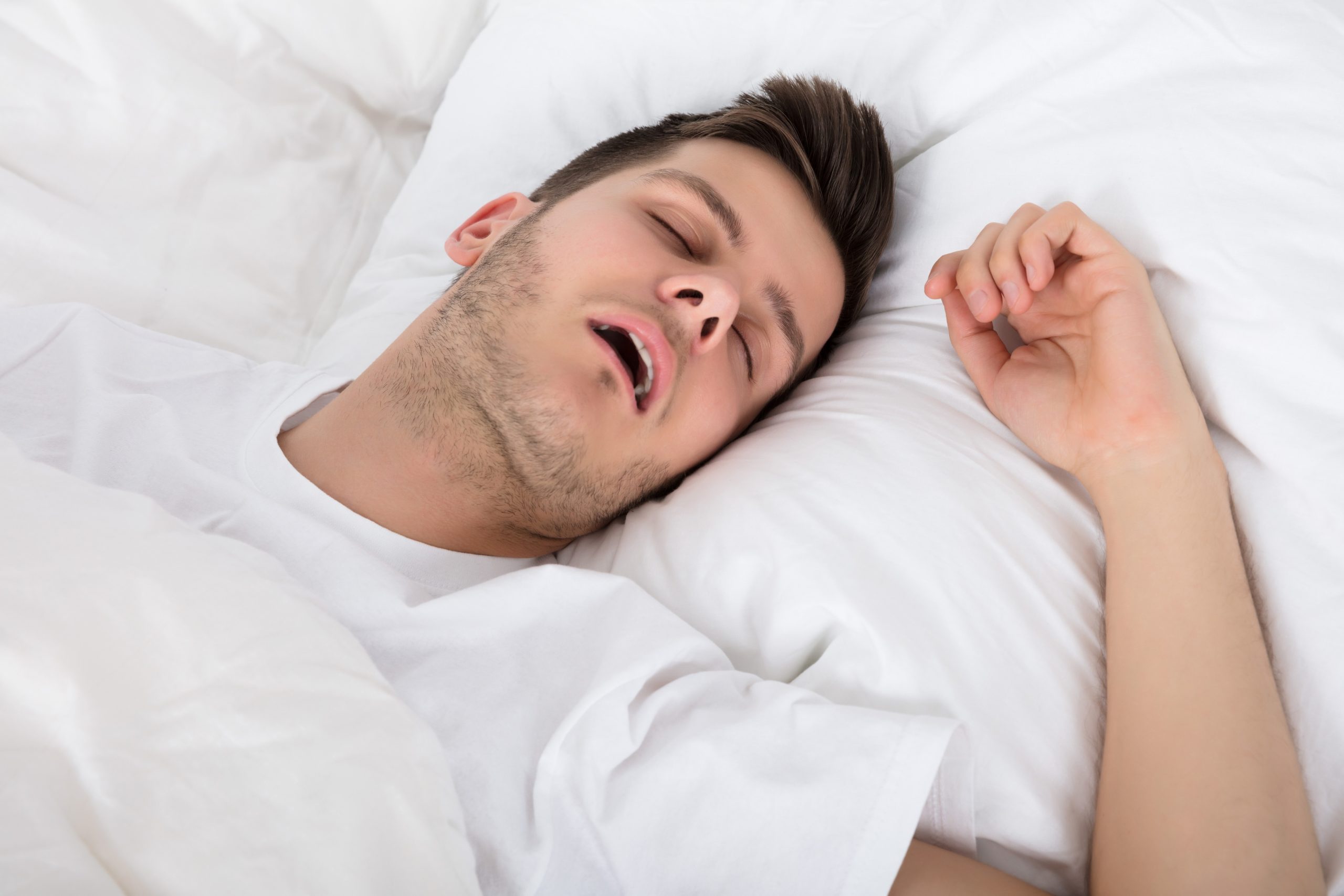
Sleep apnea is a common and potentially serious sleep disorder that causes you to stop and start breathing repeatedly while sleeping. It can lead to loud snoring, restless nights, and daytime fatigue. But many people are surprised to learn that sleep apnea can also affect eye health.
How sleep apnea affects oxygen flow to the eyes
Because the eyes depend on steady oxygen and blood flow, the repeated breathing interruptions caused by sleep apnea can reduce oxygen levels in the bloodstream. When oxygen levels drop, blood flow to the tiny blood vessels that supply the optic nerve and retina can be affected. Over time, these fluctuations may place strain on the optic nerve and other structures responsible for healthy vision.
In some cases, an eye exam may reveal early warning signs of sleep apnea before a patient is formally diagnosed.
Eye conditions linked to untreated sleep apnea
Research has shown that individuals with obstructive sleep apnea may have a higher risk of certain eye conditions. While not everyone with sleep apnea develops eye problems, untreated sleep apnea has been associated with vision-related conditions:
Glaucoma
Glaucoma damages the optic nerve, which connects your eye to your brain. It has no noticeable symptoms in the early stages, and can lead to permanent vision loss if left untreated. Research suggests that reduced oxygen levels and changes in blood flow that occur with sleep apnea may contribute to stress on the optic nerves.
Floppy Eyelid Syndrome
This condition causes the upper eyelids to become unusually loose and easily turn outward during sleep. It can lead to irritation, redness, and chronic eye discomfort. Floppy eyelid syndrome is strongly associated with obstructive sleep apnea and is often an early indicator.
Non-Arteritic Anterior Ischemic Optic Neuropathy (NAION)
NAION is a sudden vision loss caused by reduced blood flow to the optic nerve. Research has shown an association between sleep apnea and a higher risk of developing this condition.
Dry Eye and Irritation
Interrupted sleep, changes in breathing airflow, and certain sleep apnea treatments can contribute to dry eye symptoms such as burning, redness, and blurred vision.
Why eye doctors sometimes spot the signs first
During a comprehensive eye exam, ophthalmologists carefully evaluate the optic nerve, retina, eyelids, and blood vessels in the eye. Certain findings may suggest sleep apnea, such as:
- Early optic nerve changes
- Eyelid laxity or irritation associated with floppy eyelid syndrome
- Changes in eye pressure or circulation
When these findings appear alongside excessive snoring, frequent nighttime waking, or daytime tiredness, an ophthalmologist may recommend discussing sleep apnea screening with your primary care provider.
Routine eye exams can sometimes help identify health issues that extend beyond vision.
What to do if you have sleep apnea or suspect it
If you have been diagnosed with sleep apnea or believe you may have symptoms, there are several steps you can take to protect both your health and your vision.
Seek evaluation for sleep apnea symptoms. Common signs include loud snoring, waking up gasping for air, morning headaches, daytime fatigue, and poor sleep quality. A sleep study can help confirm a diagnosis.
Follow recommended treatment. Continuous Positive Airway Pressure (CPAP) therapy is the most common treatment for obstructive sleep apnea. By helping keep the airway open during sleep, CPAP improves oxygen levels and supports healthier circulation throughout the body.
Schedule regular eye exams. Because sleep apnea may increase the risk of optic nerve damage and other eye conditions, routine eye exams are especially important for early detection.
Manage other health conditions. Conditions such as high blood pressure, diabetes, and obesity can also affect both sleep apnea and eye health. Managing overall health helps reduce risk.
Protect your vision with regular eye care
Your eyes can reveal important clues about your overall health. Regular comprehensive eye exams allow ophthalmologists to monitor the optic nerve, detect early changes, and help protect your long-term vision.
If you have sleep apnea or symptoms that may suggest a sleep disorder, it’s especially important to stay proactive about your eye health. Schedule a comprehensive eye exam at Iowa Eye Center today to help protect your vision and ensure expert eye care for life.