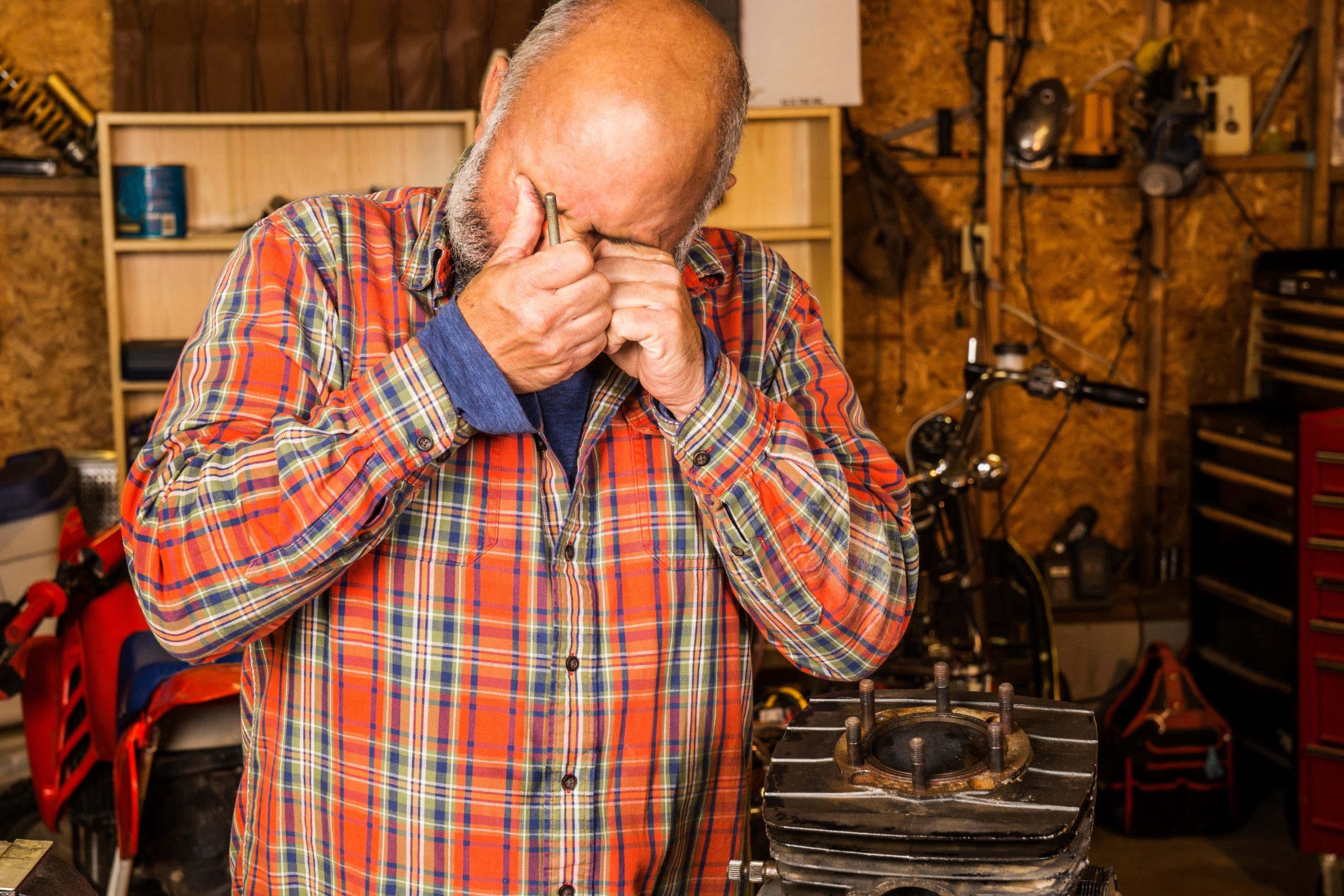
Eye injuries can happen anywhere: playing sports, working on the job, or while doing everyday tasks at home. These injuries affect kids, teens, and adults, yet most are preventable with the right protection and quick response when accidents occur. Here is what you need to know about the most common causes of eye injuries and how to keep your vision safe.
Sports-related eye injuries
Sports are a leading cause of eye injuries, especially for children and teenagers. Fast-moving balls, elbows, racquets, and accidental collisions often lead to corneal abrasions, bruising around the eye, swelling, or even retinal damage.
The best defense is proper protective eyewear. Polycarbonate sports goggles are impact-resistant and designed to stay in place during movement. For high-impact sports like hockey or baseball catching, a helmet with a face shield provides an extra layer of safety.
Workplace eye hazards
Many eye injuries happen at work, particularly in environments where debris, chemicals, sparks, or bright light are present. Construction sites, manufacturing facilities, auto repair shops, welding stations, and laboratories all pose daily risks to eye health.
Workers should use ANSI-approved safety glasses or goggles that match the hazards of the job, whether that involves blocking chemical splashes or shielding the eyes from flying debris. Damaged safety eyewear should be replaced promptly, as even small scratches can compromise clarity and increase the risk of accidents.
Eye injuries at home
A surprising number of eye injuries occur at home. Everyday activities such as yard work, cleaning, cooking, and DIY projects can expose the eyes to chemicals, sharp objects, and fast-moving debris.
Wearing protective glasses during tasks such as mowing, trimming, sanding, drilling, or using harsh cleaning products helps prevent many of these injuries. Simple steps in the kitchen, such as using a grease guard when frying, can also reduce the risk of painful burns.
What to do if an eye injury happens
Quick action is essential when an eye injury occurs.
- If something gets in the eye: Rinse with clean water or sterile saline. Do not rub the eye.
- If a chemical splash occurs: Flush with water for at least 15 minutes. Remove contact lenses if possible and seek medical care right away.
- If the eye is cut, punctured, or hit hard: Do not apply pressure. Cover it lightly with a rigid object such as the bottom of a paper cup and go to the emergency room.
- If vision changes suddenly: Flashes, floaters, or shadows may signal retinal damage. Contact an eye doctor immediately.
When to seek medical care
Some eye injuries can be evaluated by an eye doctor within a day, while others require emergency care.
Go to the emergency room immediately if you have:
- A cut or puncture to the eye or eyelid
- Severe eye pain or discomfort
- A strong blow to the eye or the surrounding area
- Sudden or severe loss of vision in one or both eyes
- Double vision or sudden blurred vision
- Sudden onset of flashes of light, a burst of new floaters, or a curtain-like shadow in your vision
- Chemical exposure from strong cleaners, acids, or alkalis
- A foreign object stuck in the eye
- Severe burns from heat, grease, or steam
- Extreme light sensitivity
- Redness, swelling, or discharge that indicates infection
When in doubt, it is safer to treat an eye injury as an emergency.
Eye injury concerns? We’re here to help
If you have a non-emergeny concern about an eye injury, contact us by phone at 319-362-3937 or via our online contact form. If you need help choosing the right protective eyewear, stop by our full-service optical center—no appointment is needed. Trust your vision to the team at the center of all your eye care needs.