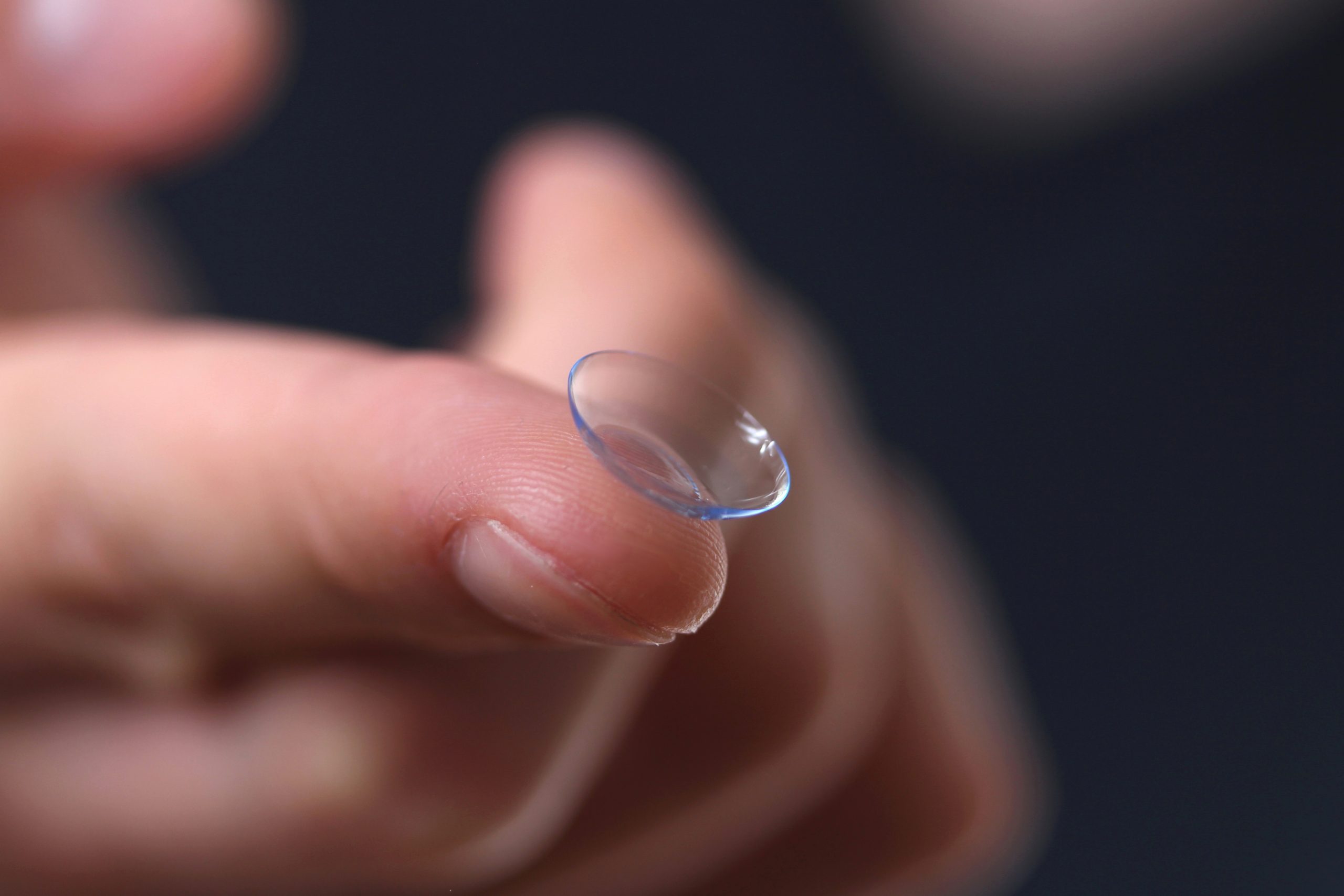
Whether you’re new to needing vision correction or considering switching from glasses, contact lenses can be a comfortable and convenient solution. With advances in design and materials, today’s lenses offer clearer vision, all-day comfort, and options tailored to your unique needs.
Here’s what to know about the different types of lenses, how to care for them, and when to check in with your eye doctor.
Types of contact lenses
Contact lenses aren’t one-size-fits-all. Your eyes, prescription, and lifestyle will help determine the best option for you. There are several types of lenses available, each with its benefits, specific care requirements, and recommended replacement schedule.
Soft contact lenses
These are the most commonly prescribed lenses. Soft lenses are made of flexible, breathable materials that conform to the shape of your eye, offering immediate comfort and easy adaptation. Common styles include:
- Daily disposables: Worn once and discarded at the end of the day. Ideal for occasional wear or those who prefer a no-maintenance option.
- Biweekly lenses: Designed to be worn during the day and stored in cleaning solution at night, and replaced every 14 days.
- Monthly lenses: These are worn daily and cleaned overnight, but should be replaced every 30 days from the time the package is opened.
- Toric lenses: Made for astigmatism and available in daily, biweekly, or monthly options.
- Multifocal lenses: Correct both near and distance vision, typically available as daily or monthly lenses.
Rigid Gas Permeable (RGP) lenses
These firmer lenses offer excellent visual clarity and durability. While they may take longer to adjust to, they’re especially effective for patients with high prescriptions or corneal irregularities. RGP lenses are not disposable; with proper care, they can last up to a year or longer.
Specialty lenses
Some patients benefit from custom or condition-specific lenses:
- Scleral lenses: Large lenses that rest on the white of the eye, often used for dry eye or irregularly-shaped corneas, such as keratoconus or astigmatism.
- Hybrid lenses: Combine a rigid center with a soft outer ring, offering a blend of clarity and comfort.
- Colored or cosmetic lenses: Designed to change or enhance eye color. These should always be prescribed by an eye doctor, even for non-corrective use.
Finding the right lens
No two eyes are the same, and the best contact lens for you depends on more than just your prescription. A comprehensive eye exam and fitting will help your doctor determine the best type of lens based on several factors.
Your doctor will consider:
- Your prescription and vision needs
- The shape and health of your cornea
- Tear production and eye moisture
- How often do you plan to wear lenses
- Your comfort level and daily habits
This information helps ensure a proper fit and a comfortable, practical lens-wearing experience.
Proper contact lens care
Taking care of your lenses is just as important as choosing the right type. Good hygiene helps prevent irritation, infection, and long-term eye issues.
Here are some best practices to follow:
- Wash your hands before handling lenses
- Use fresh solution every time you clean or store lenses
- Never use tap water to rinse or store contacts
- Clean your case regularly and replace it every 1–3 months
- Follow the cleaning steps provided by your eye care provider
If you’re ever unsure about your care routine, don’t hesitate to ask your doctor for a quick review, especially when switching to a new lens or solution.
Signs something isn’t right
Contacts should be comfortable and provide clear vision. If something feels off, it’s essential to stop wearing your lenses and consult your doctor.
Watch for symptoms like:
- Redness, stinging, or pain
- Blurred vision that doesn’t clear with cleaning
- Unusual tearing or discharge
- Sensitivity to light
- The feeling of something stuck in your eye
These could be signs of dryness, a reaction to lens material, or an early infection, and early treatment can prevent complications.
Frequently asked questions about contact lenses
- Can contact lenses get lost behind my eye?
It’s anatomically impossible for a lens to slip behind the eye. A thin membrane under your eyelid acts as a barrier, so the lens may shift but can’t disappear. - Are contact lenses uncomfortable?
Most people adjust to soft contact lenses quickly, often within a day or two. If a lens feels uncomfortable, it’s usually due to dryness, a poor fit, or debris, and should be checked. - Do I need to be a certain age to wear contacts?
There’s no set age. Many responsible kids and teens wear contacts successfully. Your eye doctor can help determine if your child is ready. - Are contacts safe?
Yes, when used and properly cared for. Most contact lens complications stem from overwearing lenses or not following cleaning instructions. - Can I sleep in my contacts?
Only if your lenses are specifically approved for overnight wear, even then, most doctors recommend removing them before sleep to reduce the risk of infection.
Clear vision with confidence
Contact lenses can offer freedom, flexibility, and all-day comfort, but only when they’re the right fit and properly cared for. With today’s wide range of lens types and replacement options, there’s a solution for nearly every lifestyle and vision need.
If you’re ready to try contacts or update your prescription, schedule a contact lens fitting with Iowa Eye Center today.
Call us at 319-362-3937 or request an appointment online to get started.