If glaucoma runs in your family, you may be wondering just how concerned you should be that you’ll develop it as well. Glaucoma is a leading cause of permanent vision loss—and in many cases, it progresses without symptoms.
Understanding glaucoma risk factors
The short answer is yes—having a family history of glaucoma significantly increases your risk.
“Open-angle glaucoma, the most common form, often runs in families,” says Iowa Eye Center physician Jeffrey Maassen. “If your parents or siblings have it, your risk is much higher—up to nine times more than someone without a family history.”
Other risk factors for glaucoma include:
- Being age 60 or older
- African, Hispanic, or Asian ancestry
- Elevated eye pressure
- Thin corneas
- Having conditions like diabetes, high blood pressure, or heart disease
- Long-term use of corticosteroids
- Past trauma to the eye, such as a blunt force injury
Being aware of these glaucoma risk factors is the first step toward prevention.
How often should you get a glaucoma eye exam?
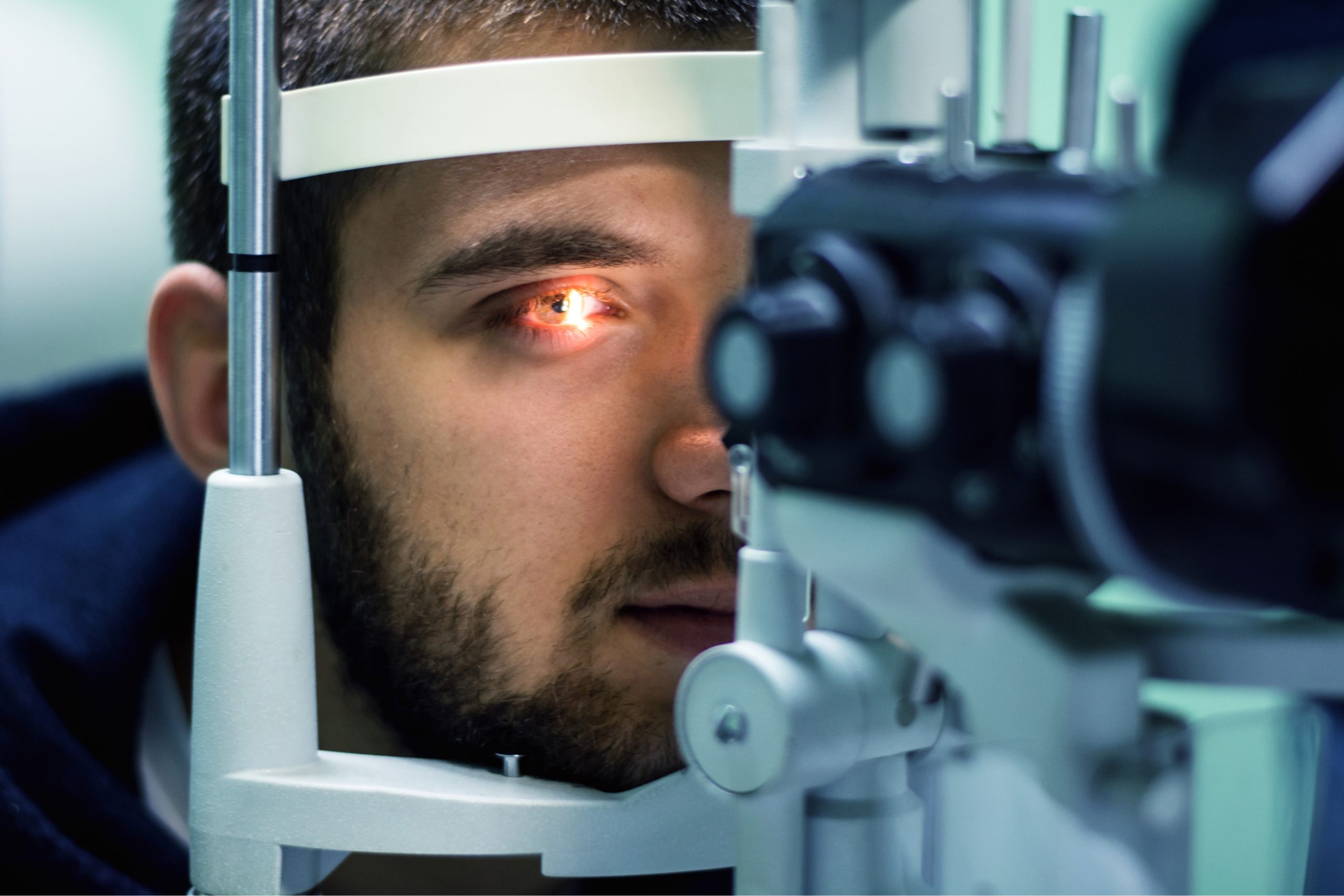
Routine eye exams are your best defense against glaucoma—especially if you have known risk factors.
“If you’re over 40 and have a family history of glaucoma, we recommend a comprehensive glaucoma eye exam every one to two years,” says Dr. Maassen. “Earlier if you’re noticing changes in vision or have other health conditions.”
These exams are the only reliable way to catch glaucoma in its early stages, long before noticeable vision loss occurs.
Can you prevent glaucoma?
There’s no guaranteed way to prevent glaucoma, but there are steps you can take to lower your risk and protect your eyesight.
“You can’t change your genetics, but you can take control of your eye health,” says Dr. Maassen. “Regular eye exams, healthy lifestyle choices, and managing chronic health conditions all play a role.”
To help reduce your risk:
- Maintain a healthy blood pressure and cholesterol level
- Exercise regularly
- Avoid smoking
- Wear protective eyewear during activities that could injure your eyes
- Follow up on any vision changes promptly
Learning how to prevent glaucoma begins with understanding your risk and staying on top of your eye care routine.
Warning signs of glaucoma
Most types of glaucoma develop gradually and without pain, which is why it’s often called the “silent thief of sight.” However, some signs may indicate the condition has progressed or, in rare cases, that you’re experiencing acute angle-closure glaucoma, which is an emergency.
Possible glaucoma warning signs include:
- Gradual loss of peripheral vision
- Blurred vision
- Halos around lights
- Eye pain
- Sudden vision loss
- Severe headache
- Nausea or vomiting
“If you experience any of these symptoms—especially suddenly—seek immediate medical attention,” says Dr. Maassen. “Acute angle-closure glaucoma is rare, but it can cause permanent damage very quickly.”
What are the latest glaucoma treatments?
The good news is that glaucoma is treatable, especially when diagnosed early. Advances in glaucoma treatment have made it easier than ever to manage the condition and preserve vision.
“Depending on the type and severity, we may start with medicated eye drops or oral medications to lower eye pressure,” Dr. Maassen explains. “If those aren’t effective, we may recommend minimally invasive surgical treatments such as Selective Laser Trabeculoplasty (SLT) or other interventions tailored to an individual’s diagnosis.”
At Iowa Eye Center, we use the latest glaucoma treatment technology to customize care plans for each patient.
Protect your vision with Iowa Eye Center
A family history of glaucoma is a serious risk—but it doesn’t have to mean vision loss. With proactive care and regular monitoring, you can take control of your eye health.
“Glaucoma doesn’t mean you’ll go blind,” Dr. Maassen emphasizes. “When we catch it early and treat it properly, most people maintain excellent vision for life.”
Ready to schedule a glaucoma screening or learn more about your risk? Contact us today to book your comprehensive eye exam.