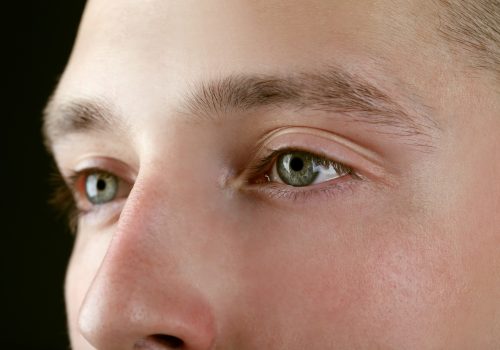
Many of us start the new year with goals to eat healthier, exercise more, and take better care of our overall well-being. If you’re struggling to keep those resolutions in check, remember that lifestyle and dietary changes can also benefit your eyesight. In fact, the foods you eat play a crucial role in maintaining good vision and reducing the risk of eye conditions such as age-related macular degeneration (AMD), cataracts, and dry eye syndrome.
Key nutrients for eye health
A well-balanced diet rich in essential vitamins and minerals can help keep your eyes functioning at their best. Here are some of the key nutrients that support healthy vision:
- Vitamin A. Found in carrots, sweet potatoes, leafy greens, egg yokes, and dairy products, vitamin A is essential for good night vision and can help reduce the risk of dry eyes. It also helps maintain the health of the retinas and prevent AMD.
- Omega-3 Fatty Acids. These healthy fats, found in salmon, flaxseeds, and walnuts, help reduce inflammation and support tear production, which is crucial for preventing dry eyes.
- Lutein and Zeaxanthin. Present in spinach, kale, and eggs, these antioxidants help filter harmful blue light and may reduce the risk of several conditions, including AMD, cataracts, diabetic retinopathy, retinal detachment, and uveitis.
- Vitamin C. Found in broccoli, peppers, kale, and oranges, vitamin C helps protect the eyes from oxidative damage and supports healthy blood vessels in the eyes.
- Vitamin E. Almonds, sunflower seeds, peanuts, peanut butter, and avocados provide vitamin E, which works as an antioxidant to protect certain parts of the eyes that can be susceptible to oxidative damage.
- Zinc. This essential mineral, found in meat, shellfish, and legumes, helps transport vitamin A from the liver to the retina, aiding in the production of melanin, a protective pigment in the eyes.
- Selenium. Another vital mineral, this key antioxidant may reduce the risk of developing cataracts and AMD. A deficiency in selenium has also been linked to thyroid eye disease (TED).
Small changes for long-term benefits
Incorporating eye-friendly foods into your diet doesn’t have to be complicated. Simple changes, like adding a handful of nuts to your snack routine, swapping out processed foods for fresh fruits and vegetables, and choosing fatty fish a couple of times a week, can make a noticeable difference over time.
- Limit processed foods. Highly processed foods can be high in unhealthy fats and sugars, which may contribute to inflammation and oxidative stress that can harm eye health.
- Reduce saturated and trans fats. Found in fried foods, baked goods, and some processed snacks, these fats may contribute to poor circulation, affecting blood flow to the eyes.
- Choose whole grains over refined carbs. White bread, pasta, and sugary cereals can cause spikes in blood sugar, which over time may increase the risk of eye diseases like diabetic retinopathy.
- Eat colorful fruits and vegetables. A diet rich in vibrant produce provides a variety of antioxidants that help protect the eyes from damage.
- Incorporate dairy or calcium-rich alternatives. Low-fat dairy, fortified plant-based milk, and yogurt provide calcium and vitamin D, which support overall eye health.
Pairing a healthy diet with regular eye exams is one of the best ways to maintain optimal vision and catch potential issues early. As we move further into the new year, don’t let your health resolutions fade—give your eyes the nutrition they need for a brighter, clearer future.
If it’s been a while since your last eye exam, contact us to schedule an appointment to keep your vision in top shape long into 2025.