Astigmatism is a common vision condition that occurs when the eye’s cornea or lens has an irregular shape. Rather than being a rounded shape, in astigmatism, it’s more oval-shaped.
There are two general types of astigmatism:
- Horizontal: when the eye is wider than it is tall
- Vertical: when the eye is taller than it is wide
This irregularity in shape results in light focusing on multiple points in the eye, which causes blurry vision at a distance and up close.
According to the American Academy of Ophthalmology (AAO), it’s thought that approximately one-third of the people in the U.S. have astigmatism. It affects people of all ages and races.
Learn more in this video from the AAO:
What causes Astigmatism?
It’s often unclear what causes astigmatism and there is no way to prevent it. Some factors that may play a role include:
- Irregular Cornea Shape: The most frequent cause is an oval-shaped cornea instead of a perfectly round one.
- Lens Irregularities: Sometimes, the lens of the eye has irregularities, leading to lenticular astigmatism.
- Genetics: It often runs in families. If your parents have astigmatism, you are more likely to develop it.
- Eye Injuries or Surgery: Injuries or surgeries affecting the cornea can lead to astigmatism due to scarring or changes in the cornea’s shape.
What are the symptoms of Astigmatism?
Symptoms can vary but commonly include:
- Blurred or distorted vision at all distances
- Eye strain or discomfort
- Headaches
- Difficulty seeing at night
- Squinting to see clearly
- Frequent changes in prescription glasses or contact lenses
How is Astigmatism diagnosed?
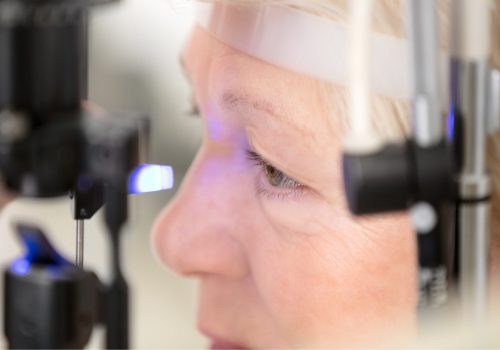
Astigmatism is diagnosed through a comprehensive eye exam. Your eye doctor will dilate your eyes and measure the curvature of your cornea, and test your vision to determine if you have astigmatism and the severity of the condition.
What are the treatment options for Astigmatism?
There are several effective ways to correct astigmatism:
- Eyeglasses: Prescription eyeglasses with special cylindrical lenses can correct the uneven curvature of the cornea or lens, providing clear vision.
- Contact Lenses: Toric contact lenses are specifically designed for astigmatism and compensate for the irregular shape of the cornea or lens.
- Refractive Surgery: Surgical options such as LASIK or PRK can reshape the cornea, correcting astigmatism. These procedures are suitable for individuals who are not good candidates for glasses or contact lenses.
Can Astigmatism change over time?
Yes, astigmatism can change over time. It’s important to have regular eye exams to monitor changes in your vision and update your prescription as needed.
How can I manage Astigmatism?
Managing astigmatism involves regular eye exams to monitor changes in vision and ensure your prescription is up to date. Wearing the correct prescription lenses, whether glasses or contact lenses, can significantly improve your vision and reduce symptoms.
If you suspect you have astigmatism or are experiencing any symptoms, it’s crucial to seek professional eye care. The experienced ophthalmologists at the Iowa Eye Center are here to help. Contact us today to schedule an appointment and get the comprehensive eye care you need for optimal vision health.