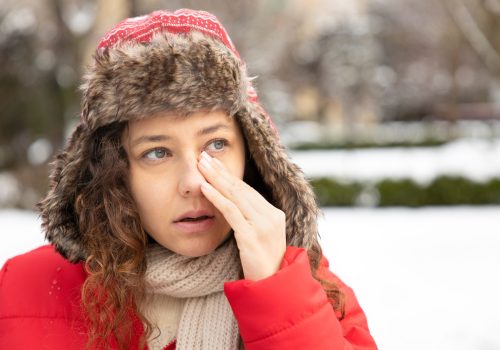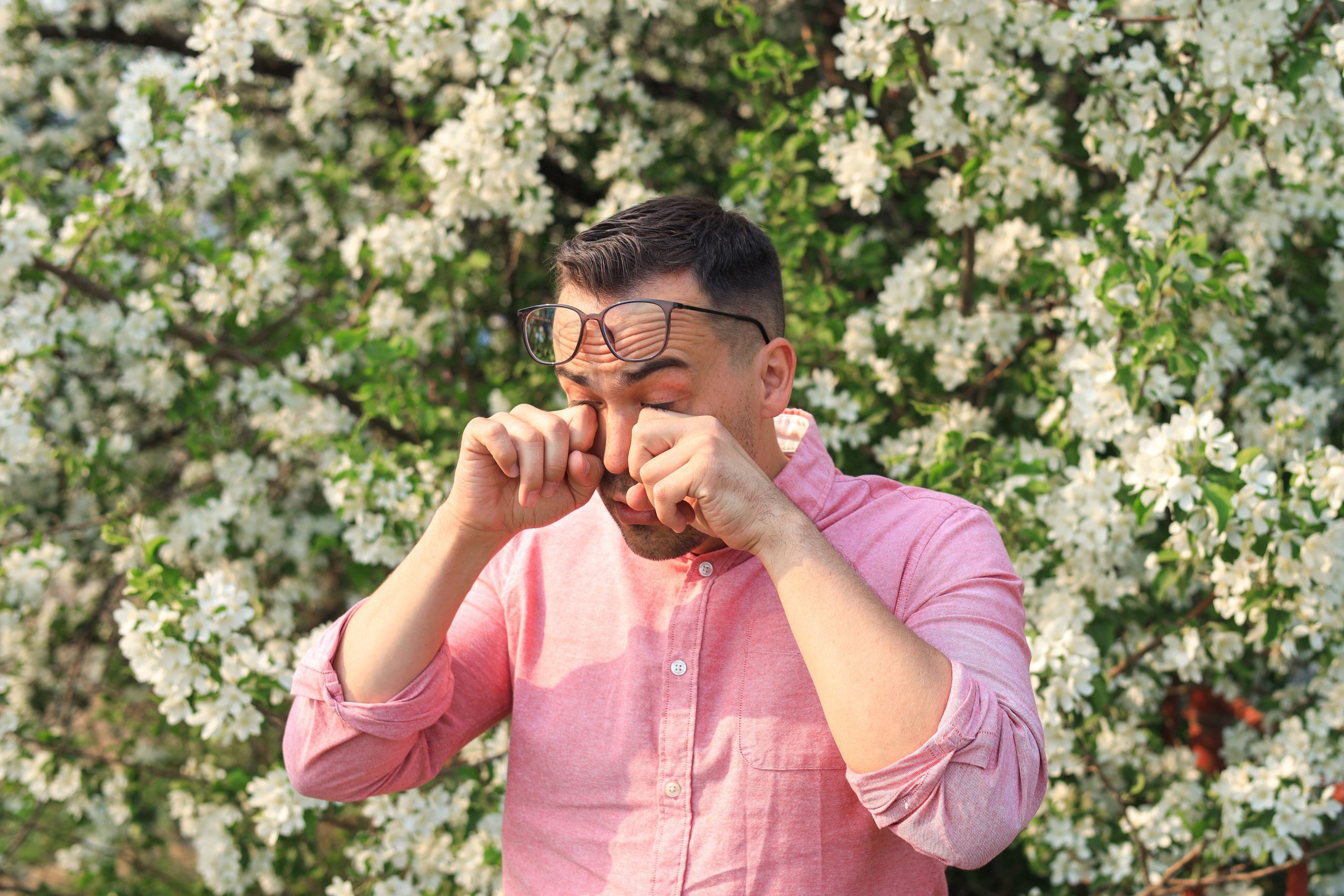
As flowers bloom and trees bud, many of us welcome the arrival of spring with open arms. However, for those who suffer from seasonal allergies, this time of year can bring about discomfort and irritation, particularly for the eyes.
Why seasonal allergies affect your eyes
Seasonal allergies, also known as allergic conjunctivitis, occur when the body’s immune system reacts to allergens such as pollen, mold spores, or pet dander. When these allergens come into contact with the eyes, the immune system releases chemicals like histamine, triggering inflammation and causing the blood vessels in the eyes to swell. This inflammatory response leads to a range of uncomfortable symptoms.
Common eye symptoms of seasonal allergies
These symptoms can significantly impact one’s quality of life, interfering with daily activities such as reading, driving, or enjoying outdoor activities.
- Itchy eyes. Persistent itching in and around the eyes is a hallmark symptom of seasonal allergies.
- Watery eyes. Excessive tearing is another common sign that your eyes are reacting to allergens.
- Redness and swelling. Inflammation of the conjunctiva, the thin tissue covering the white part of the eye, can cause redness and puffiness.
- Burning or stinging sensation. Irritation and discomfort, often described as burning or stinging, may occur due to the inflammatory response.
- Sensitivity to light. Some individuals may experience heightened sensitivity to light, known as photophobia, during allergy flare-ups.
Relief for allergy eyes
While seasonal allergies can be bothersome, there are several steps individuals can take to alleviate symptoms and improve eye comfort:
- Limit exposure to allergens. Try to stay indoors during peak pollen hours, typically in the morning and early evening. Keep windows closed and use air conditioning to filter out allergens.
- Use lubricating eye drops. Over-the-counter eye drops can help soothe irritated eyes and flush out allergens.
- Apply cool compresses. Placing a cold washcloth over closed eyes can help reduce swelling and relieve itching.
- Avoid rubbing eyes. Rubbing the eyes can exacerbate symptoms and potentially lead to further irritation or infection.
- Wear sunglasses. Wearing wraparound sunglasses can help protect the eyes from allergens and reduce sensitivity to light.
When to see your eye doctor
While many cases of seasonal allergies can be managed with over-the-counter remedies, it’s important to consult with an ophthalmologist if:
- Symptoms Persist or Worsen. If your symptoms don’t improve with over-the-counter treatments or if they become more severe, it’s time to see an eye doctor.
- Vision Changes. Any changes in your vision, such as blurriness or double vision, should prompt a visit to the eye doctor.
- Signs of Infection. If you experience discharge, pain, or crusting around the eyes, it could indicate an infection that requires medical attention.
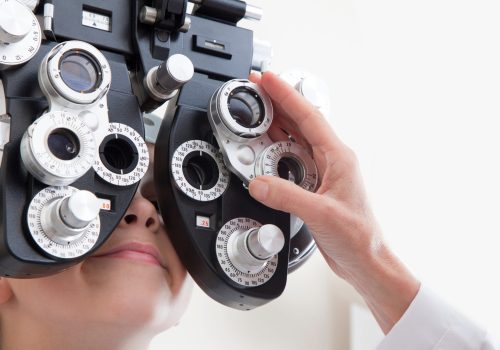
A thorough examination can determine the underlying cause of symptoms and determine appropriate treatment options, which may include prescription eye drops or allergy medications. Call 319-362-3937 or use this contact form to request an appointment with an Iowa Eye Center ophthalmologist.
Seasonal allergies can put a damper on your day, but with the right strategies, you can keep your eyes feeling comfortable and clear. By understanding the causes of seasonal allergies, recognizing common symptoms, and knowing when to seek help from an eye doctor, you can navigate allergy season with confidence and ease. Don’t let itchy, watery eyes hold you back—take proactive steps to protect your eye health and enjoy the beauty of every season.